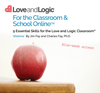

A student says no to an assignment. Another keeps interrupting while classmates are working. These moments can challenge even experienced teachers, especially when a quick reaction makes a conflict harder to resolve. The 9 Essential Skills for the Love and Logic Classroom gives educators practical ways to respond with empathy, offer appropriate choices, and keep expectations clear. Rather than relying on repeated warnings or arguments, teachers can guide students toward thinking through their decisions and possible next steps. This guide explains the nine skills, how they support classroom relationships, and how educators can adapt the techniques to their students and routines.
Key Takeaways
- Pair empathy with clear boundaries: Respond calmly, explain expectations, and choose consequences that fit the situation.
- Build student responsibility step by step: Offer manageable choices, invite students to suggest solutions, and introduce a few strategies at a time.
- Start with the right learning format: The 9 Essential Skills for the Love and Logic Classroom is a complete curriculum. Webinars are a separate, per-person option.
What is The 9 Essential Skills for the Love and Logic Classroom curriculum?
Build Relationship-Centered Classrooms
The 9 Essential Skills for the Love and Logic Classroom gives educators practical ways to guide behavior while maintaining positive relationships with students. Instead of relying on anger, threats, or repeated warnings, teachers learn to set clear limits and respond with empathy. When appropriate, they can allow students to experience the results of their choices, helping shift the focus from conflict to learning and problem-solving.
A relationship-centered classroom still has clear expectations. Teachers can hold students accountable while showing that they care, creating an environment where students feel supported and understand what is expected of them. Love and Logic's resources for teachers offer more information about classroom materials and training.
Learn the 9 Essential Classroom Skills
The 9 Essential Skills for the Love and Logic Classroom centers on nine practical skills teachers can use in everyday classroom situations. These techniques help educators respond calmly to behavior, give students appropriate choices, and encourage responsibility. Together, they offer a set of approaches teachers can draw on, rather than relying on one response for every challenge.
Teachers can learn the skills and then adapt their use to the needs of their students and classroom. Starting with a few techniques can make it easier to put them into practice and build consistent routines. Love and Logic's overview of the 9 Essential Classroom Management Skills explains the techniques in more detail.
Use Empathy, Shared Control, and Student Responsibility
Love and Logic combines empathy with consequences to help students reflect on their choices. Showing empathy during a difficult moment can help a student feel heard and keep a conversation from becoming a power struggle. Once emotions settle, the teacher can address the behavior and guide the student toward a next step.
Shared control means offering meaningful choices within clear boundaries. For example, a teacher might let a student choose when to complete an assignment while keeping the expectation that it gets done. Students get practice making decisions, and relevant consequences can help them understand how their choices affect outcomes. The curriculum syllabus lists the nine modules and the skills each one covers.
How Does Love and Logic Work in the Classroom?
Love and Logic gives educators practical ways to guide behavior while keeping students involved in solving problems. Instead of relying only on adult-imposed rules and consequences, teachers set clear limits, offer appropriate choices, and help students think about the results of their decisions. Students get opportunities to practice responsibility, while teachers maintain the structure and expectations a classroom needs.
The approach puts the teacher-student relationship at the center of classroom management. A calm, empathetic response can help a student feel heard, and a pause before discussing a consequence gives everyone time to think. Teachers can then focus on what the student can do next, rather than dwelling on what went wrong.
These strategies work best when they become consistent routines. Love and Logic's teacher resources include The 9 Essential Skills for the Love and Logic Classroom, which educators can use to strengthen communication, set limits, and encourage student responsibility. Teachers can adapt the strategies below to students' ages, individual needs, and school expectations.
Set Limits and Offer Choices
Clear limits help students understand what is expected. Choices give them a meaningful role in meeting those expectations. For example, a teacher might say, "You can start the assignment at your desk or at the reading table." Both options support the learning goal, while the student decides where to begin. Choices should be genuine, manageable, and acceptable to the teacher.
This approach can reduce repeated arguments because the adult sets the boundary without controlling every step. It also gives students practice weighing options and seeing how their decisions affect what happens next. Start with familiar classroom routines, then adjust the choices to fit your students and setting. The third edition of The 9 Essential Skills for the Love and Logic Classroom includes a module on using choices to prevent power struggles.
Show Empathy and Delay Consequences
When a student breaks a rule, an immediate lecture can turn a small problem into a larger conflict. A brief response such as, "I can see you are upset. We will talk about what happens next when we are both ready," acknowledges the student's feelings without dismissing the behavior. It also gives the teacher a moment to consider a fair response.
Delaying a consequence does not mean ignoring the behavior. A pause can help students settle and make room for a conversation about what happened and how to make things right. The focus stays on learning rather than shame. Because it can be hard to find the right words in the moment, prepare a few simple phrases ahead of time. The 9 Essential Skills for the Love and Logic Classroom includes modules on empathy and delayed consequences that educators can practice in their own classrooms.
Build Accountability and Problem-Solving Skills
Rather than solving every problem for a student, invite them to suggest a way forward. If a student forgets a needed book, you might ask, "What could you do so you are ready for tomorrow?" The question leaves room for the student to take responsibility. You can still offer support if they need help thinking through options.
You can guide the conversation with questions: What happened? What choices do you have now? What might help next time? The goal is not to expect students to handle every challenge alone. It is to help them take an age-appropriate role in finding solutions and following through. Adjust your questions to each student's age, abilities, and circumstances.
Use Brief Interventions and Class Meetings
A short, private cue can address a disruption without stopping the lesson. You might move closer to a student, point to a reminder, or quietly repeat the direction. Class meetings can cover shared routines and invite students to suggest practical solutions. Love and Logic's classroom management skills include ways to respond while the lesson continues.
What Benefits Can Educators Expect?
Love and Logic gives educators strategies for pairing empathy with clear expectations. Used consistently and adapted to students' needs, these strategies can support stronger relationships, more opportunities for student decision-making, and calmer responses to challenging behavior. Results will vary by classroom and student.
Build Respectful Teacher-Student Relationships
Respect grows when students know their teacher will listen, explain expectations, and respond consistently. A teacher might acknowledge frustration, restate the expectation, and offer a way forward. The student is treated with care, and the behavior is still addressed. The Love and Logic for the Classroom and School Online webinar covers these relationship strategies for one educator.
Help Students Practice Responsibility and Decision-Making
Students need chances to make choices and see what follows. A student might start an assignment independently or ask for help first. When a choice creates a problem, help the student think through a next step instead of solving it for them. Love and Logic's resources for teachers include materials for building that habit.
Address Behavior and Reduce Power Struggles
A quick argument can turn a behavior moment into a struggle over control. Pause, respond with empathy, and discuss the next step once everyone is ready. A teacher might say, "I can see you are frustrated. We will talk when we are both calm." The 9 Essential Skills for the Love and Logic Classroom includes a module on neutralizing arguing.
What Resources Does Love and Logic Offer Educators?
Love and Logic offers educators several ways to learn and apply classroom strategies. The 9 Essential Skills for the Love and Logic Classroom is the skills-based curriculum. Online webinars are a separate way for an individual educator to study selected topics. Start by identifying what you want to work on, such as responding to behavior, building student responsibility, or creating a more consistent approach among staff. Love and Logic's educator resources are a useful starting point.
Explore the 9 Essential Skills Curriculum
The 9 Essential Skills for the Love and Logic Classroom introduces nine techniques intended to help teachers build positive relationships and create more manageable classrooms. You can review the third edition to see how the curriculum is presented and what it includes. The digital curriculum is sold as a complete package, and the participant workbooks come with that curriculum. Workbooks are not sold to someone who does not own the curriculum.
Schools can use the curriculum to introduce the approach to new staff, refresh strategies with returning educators, and encourage more consistent responses to challenging behavior. There is not a menu of separate books or workbooks to mix and match. Order The 9 Essential Skills for the Love and Logic Classroom when your school is ready to use the full curriculum.
Related products

Introduce new staff to Love and Logic techniques
View product
It is a supplementary resource, not a standalone curriculum.
View productTake the Classroom and School Online Webinar
For a structured online course, consider Love and Logic for the Classroom and School Online. The webinar covers practical strategies for creating lower-stress learning environments, responding to student behavior, and building positive relationships with students. It is priced per person.
Review the course page before enrolling to confirm the current format, access terms, and intended audience. The webinar is for the person who purchases it. It is not a team license, and it is not meant to be shared with colleagues or shown to a group. If you are learning on your own, consider which classroom situations you want the course to help you address, then keep those goals in mind as you work through the material.
Choose an On-Demand Educator Webinar
Love and Logic's on-demand educator webinars let a teacher explore a selected classroom topic online. A webinar can be a practical option when you want to focus on a specific skill or fit professional learning into a busy schedule. Each webinar is sold per person.
Browse the current listings to compare topics and formats. Availability and offerings may change, so check the page for the latest details. A webinar purchase is for that individual educator. It cannot be shared with a team or shown in a group. Start with a topic related to a current classroom need, then consider how you will put the ideas into practice.
Compare the Curriculum and Individual Webinars
Use this table to compare the full curriculum with an individual webinar.
Each row is one buying option.
| Option | Who it is for | What is included |
|---|---|---|
| 9 Essential Skills curriculum | School staff | Curriculum and workbooks. |
| Classroom and School Online | One educator | Per-person webinar. |
| Other educator webinars | One educator | Per-person session. |
A curriculum can provide materials for ongoing staff use. A webinar is an individual learning experience. Compare the delivery method, included resources, and access terms on each product page before you order. For school-wide use, The 9 Essential Skills for the Love and Logic Classroom can help onboard new staff, refresh strategies for returning educators, or support a shared response to challenging behavior. The product page describes those uses and the materials that come with the curriculum.
How Can Educators Choose the Right Curriculum or Training?
Match Resources to Your Role, Students, and Goals
Start with the needs you see in your classroom. Consider your students' ages, the situations you want to handle more effectively, and the relationships you hope to build. Love and Logic brings empathy together with clear limits and logical consequences, which can suit educators who want to encourage student responsibility while maintaining warm, respectful connections.
A classroom teacher, specialist, and school leader may each need different tools. Review Love and Logic's resources for teachers, then match an option to the situations you want to handle.
Compare the Full Curriculum and a Per-Person Webinar
Think about whether you need the full curriculum or an individual course. The 9 Essential Skills for the Love and Logic Classroom is the curriculum schools use for staff learning, and its workbooks come with that purchase. A webinar lets one educator study on a personal schedule and revisit strategies for their own students.
Love and Logic's 9 Essential Skills for the Love and Logic Classroom offers practical strategies for strengthening student connections and responding to behavior. The syllabus shows the nine modules. Check what the curriculum includes, then weigh that against a per-person webinar if you are learning on your own.
Plan How Staff Will Use the Curriculum
Love and Logic says a skill in The 9 Essential Skills for the Love and Logic Classroom can be learned and put into practice right away. Educators still benefit from chances to practice the strategies and revisit them as classroom needs change.
If your school wants a consistent approach, plan how new staff will learn the techniques and how returning staff can refresh their skills. The 9 Essential Skills for the Love and Logic Classroom can support that ongoing learning. Before making a decision, discuss staff schedules, leadership support, and how colleagues will use the curriculum together. A clear plan can help staff use the strategies consistently while adapting them to their students and classroom settings.
What Challenges Can Educators Face During Implementation?
Educators still need to consider school expectations, students' needs, and routines already in place. Love and Logic centers on healthy relationships and student responsibility, and a skill can be learned and implemented right away. A strategy that works in one class may need a small change in another.
Start with a few skills, notice how students respond, and adjust from there. Love and Logic's teacher resources are a starting point for The 9 Essential Skills for the Love and Logic Classroom.
Align Strategies With School Policies and Expectations
Before trying a new strategy, check school policies, behavior plans, and family communication rules. Choices still need to fit classroom rules and safety requirements. The 9 Essential Skills for the Love and Logic Classroom gives staff a common approach, while each teacher adapts examples to their students.
Adapt Techniques to Students and Classroom Needs
Students vary in age, communication, and support needs. A phrase that is clear to one student may confuse another. Introduce a technique during a calm moment, then adjust the wording or support if the response shows it needs a change. The 9 Essential Skills for the Love and Logic Classroom is built for that kind of practice.
Stay Empathetic and Consistent When Behavior Is Challenging
A respectful response is harder to remember when a student is upset or disrupting learning. Pause long enough to choose your words. Keep the expectation in place, and prepare a few calm phrases ahead of time. The empathy module in The 9 Essential Skills for the Love and Logic Classroom is a place to practice them.
Start With a Few Skills and Build Classroom Routines
Introducing too many techniques at once can feel overwhelming for educators and students. Instead, choose one or two skills that connect to a current classroom goal, such as offering limited choices or responding with empathy. Explain what the skill looks like, practice it during low-stress moments, and give students time to learn the routine.
- Pick one skill from The 9 Essential Skills for the Love and Logic Classroom that matches a current classroom need.
- Practice the wording during a calm part of the day.
- Use the skill in a real moment and notice how students respond.
- Add another skill once the first one feels familiar.
As the strategies become familiar, reflect on what is working and where students may need more guidance. Add another technique when you feel ready, rather than changing everything at once. This gradual approach helps you build confidence while keeping effective classroom routines in place. Keep notes on student responses to help guide your next steps.
Coordinate With Colleagues and Use Your Judgment
A grade-level team might agree on common language for choices, while each teacher adapts the wording. If a strategy conflicts with a student's support plan or school guidance, pause and consult colleagues. The 9 Essential Skills for the Love and Logic Classroom gives staff a shared set of skills to discuss.
How Can Educators Read Reviews of the Curriculum?
Reviews can show how a classroom resource feels to use. They do not guarantee the same results in every classroom. Look for the situation, what the educator tried, and how students responded before you choose a resource.
Look for Detailed Classroom Feedback
Useful feedback names the classroom situation, what the educator tried, and how students responded. A comment that only says a program worked is harder to use. The product page for The 9 Essential Skills for the Love and Logic Classroom is where to read current details and customer comments.
Treat Testimonials as Classroom Experience
Educator testimonials can offer practical insight into day-to-day use. They are one person's account of using the strategies, not a promise that every classroom will see the same result. When you read a comment, notice the setting, the age of the students, and what the educator says they tried.
Love and Logic's history and approach, described on our About page, can help clarify our perspective. Pair that background with the product details for The 9 Essential Skills for the Love and Logic Classroom, then decide whether the curriculum fits the students and goals in front of you.
Check Whether the Curriculum Fits Your Students and Goals
Name the outcome you care about, such as smoother transitions or stronger relationships, and see whether a review speaks to that goal. Age, learning needs, and school policies all affect how a strategy works. The 9 Essential Skills for the Love and Logic Classroom emphasizes guided choices, relationships, and clear boundaries. Love and Logic's educator resources show which materials fit your role.
What Does the Curriculum Cost?
Check the Curriculum and Webinar Pages
Costs vary by resource, and each product page lists the current price. The 9 Essential Skills for the Love and Logic Classroom is sold as a complete curriculum. Its participant workbooks are part of that curriculum and are not sold to someone who does not own it. Webinars are priced separately, per person.
As a current reference point, Love and Logic's on-demand teaching webinars are listed from $79 to $195 USD. The Classroom and School Online webinar is listed at $195 per person. Webinar pricing is separate from the curriculum, so check each product page before you order. Review the format and materials for The 9 Essential Skills for the Love and Logic Classroom alongside its listed price.
Ask About School Purchases
If you are purchasing The 9 Essential Skills for the Love and Logic Classroom for a school, ask Love and Logic whether any current school pricing applies. The curriculum can support staff refreshers and a more consistent approach to challenging behavior, so a school may use it with returning staff as well as new educators.
Do not assume a discount is available. Confirm current terms and what the price covers before placing an order. For a school purchase, estimate how the staff will use the curriculum and whether new educators will use the same materials later. The workbooks are part of the curriculum purchase. They are not a separate item for someone who does not own the curriculum.
Confirm Access Before You Order
Before purchasing, check what each option includes and how access works. The 9 Essential Skills for the Love and Logic Classroom is the curriculum, and its workbooks come with that purchase. A webinar is sold per person. The person who buys it cannot share the login with colleagues or show the webinar to a group.
For help comparing educator resources, start with Love and Logic's teacher resources page or contact the company directly. You can also read its guidance on classroom strategies for disruptive behavior to consider how the approach may fit your needs. Confirming what is included helps you choose the option that fits your classroom or school.
Frequently Asked Questions
Who is The 9 Essential Skills for the Love and Logic Classroom for?
It is designed for educators who want practical ways to guide student behavior while building respectful relationships. Teachers can adapt the strategies to their students' ages, classroom needs, and school expectations. Schools use the full curriculum for staff learning, and the workbooks come with that curriculum.
What are the 9 Essential Skills meant to help teachers do?
The skills offer techniques for setting limits, giving students appropriate choices, responding with empathy, and encouraging responsibility. Teachers can start with a few approaches and add others as they become familiar with them. Love and Logic says a skill can be learned and implemented right away.
Does Love and Logic replace school rules or behavior plans?
No. Educators should use the strategies alongside school policies and any student support plans. If a technique does not fit a student's needs or school guidance, consult the appropriate colleagues and adjust your approach.
Can I buy the workbook or share a webinar with my team?
No. The workbooks for The 9 Essential Skills for the Love and Logic Classroom are part of the curriculum and are not sold to someone who does not own it. Webinars are sold per person. They cannot be shared with a team or shown in a group.
How much does Love and Logic training cost?
Prices depend on the resource. Check the product page for The 9 Essential Skills for the Love and Logic Classroom for the current curriculum price. On-demand educator webinars are listed from $79 to $195 per person. Confirm the current price on the product page before you order.