
Since 1977, our mission has been to provide practical tools and techniques that help adults achieve respectful, healthy relationships with the children in their lives. Many people ask us, “What makes Love and Logic work?”
Some believe it’s our strong emphasis on setting limits. They think that adults who are struggling with their relationships with kids just aren’t setting enough limits. Others believe that the power of Love and Logic has more to do with providing consequences for misbehavior. They think that those who’re unsuccessful with kids just simply need to do a better job of providing bigger and more powerful consequences.
Both viewpoints are right—but not the whole story! Limits are critical, but we’ll never make them stick if we don’t have good relationships with our kids. Holding youngsters accountable for their misbehavior is essential, but have you noticed that kids just don’t seem to care much about consequences when they come from someone they don’t love and respect? For us, the key is in developing the relationship.
Why Relationships Matter
Love and Logic works because our principles and techniques rest on the supreme importance of relationships. Limits gain their power from them, and so do consequences. If we want Love and Logic to have its full power, we’re wise to nurture healthy relationships with our kids.
Simple Ways to Build Relationships
- Focus mostly on our children’s strengths rather than their weaknesses
- Smile at them as often as possible
- Write them little notes that tell them how much we adore them
- Greet them each day with a hug or a high five
- Make sure that they overhear us talking about how much we love them
- Deliver our Love and Logic techniques with genuine empathy
Real-Life Example
Love and Logic techniques like these were designed with the goal of establishing healthy relationships between adults and children and they have proven successful with many parents and teachers. Years ago, a parent, who was also a teacher, sent a letter to me (Jim) about her experience with Love and Logic. Here is part of what she wrote:
“Today, during your seminar, when you told us that Love and Logic was designed to meet the basic needs of all humans, it hit me. I realized for the first time that when adults meet a child’s need for safety (limits and boundaries), love, healthy control, and a sense of inclusion, bonding takes place automatically.
Ever since I started using the Love and Logic techniques, I’ve had increasingly better relationships with both my students and my own kids without realizing that it was the simple Love and Logic techniques that made it happen.
You are indeed a sneaky devil. While I’d been looking for a complicated way of developing relationships you slipped it in through the back door. Thanks.”
Her comments echo those of many other parents and teachers, who share their experiences of improved relationships with the kids in their lives. Use properly, and with genuine empathy, Love and Logic techniques can transform the relationships between adults and kids.
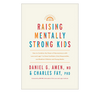
If you’re looking for more practical ways to build strong, healthy relationships with kids while helping them grow into responsible and resilient young people, our newest book Raising Mentally Strong Kids, provides simple, effective tools you can start using right away.
Thanks for reading!