
Few things hit harder than hearing your child say, “I’m stupid” or express negative self-talk.
Your heart drops. Your instinct is to fix it immediately.
At first glance, the following parent seems to be on the right track:
No, you are not stupid! Think of all the things you are good at. How about reading? You’re good at that! And remember how much you improved in baseball last summer. Stupid kids don’t learn how to hit curve balls like you did. And your art is wonderful. If you were dumb, would you have been able to learn how to create those drawings with such wonderful three-dimensional perspectives? I don’t think so!
At second glance, we realize that this well-meaning parent is lending credibility to their child’s remark by spending so much time and energy addressing it.
Why Kids Say “I’m Stupid”
Children often make statements like this in moments of frustration, disappointment, or comparison with others. This kind of negative self-talk is common when kids feel discouraged after making a mistake, struggling with a new skill, or not measuring up to peers. Sometimes, they are simply expressing a passing feeling—or even testing how we will respond.
Understanding this helps us avoid overreacting. Not every negative statement reflects a deeply held belief, but how we respond can determine whether it becomes one.
What Backfires
Over time, many well-meaning parenting habits can unintentionally weaken a child’s self-concept:
- Constant praise
- Ensuring that they are always the center of attention
- Making sure that they never encounter any hardships
- Buying them everything they want
- Rescuing them from the consequences of their misbehavior
- Setting no limits so that they can “express their creativity”
These approaches feel supportive—but they often create fragile confidence.
A Simple Response That Works

Instead of using these tactics, consider employing a much simpler approach—one that avoids unintentionally reinforcing your youngster’s self-deprecating remarks.
The most effective parents smile, pat their child on the back, and give this sweet and simple response:
“Aren’t you glad I don’t believe that!”
The Real Secret to Lasting Confidence
For truly improving self-concept, there’s only one approach that really works in the long term:
The best way to feel good is to do something good.
When parents place a high emphasis on good and respectful behavior, children look at themselves and think:
“I act pretty darn good and responsible. I must be pretty darn good and responsible.”
That belief sticks—because it’s earned, not given.
What About Negative Thoughts Like “I’m Stupid”?
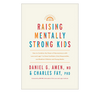
Recently I co-authored a book with Dr. Daniel Amen, Raising Mentally Strong Kids. Chapter 7 of the book is titled, “Mental Hygiene Is Critical For Parents and Kids.” This chapter focuses on Dr. Amen’s ANTs concept—Automatic Negative Thoughts.
These thoughts can affect anyone at any age, including young children and their parents. If not addressed, they can quietly erode a child’s confidence over time through negative thoughts and self-defeating thinking patterns.
The chapter describes how parents and kids can overcome thoughts like “I am stupid” by using a series of simple, practical questions that help remove their power.
If you’d like more practical ways to help your child overcome negative thinking, build healthy self-esteem, and develop true confidence through their actions, Raising Mentally Strong Kids offers simple, effective strategies you can begin using right away.
Thanks for reading!
Dr. Charles Fay