
Educators have always played an essential role in the academic, emotional, and social development of our children. We want to express our heartfelt gratitude to teachers for their dedication, flexibility, and perseverance, even through difficult times.
On a personal note, I owe many of my own teachers an apology. As a child, I spent more time testing their patience and sense of humor than making life easy for them. I wasn’t a bad kid. I simply enjoyed keeping things entertaining. Even so, my teachers continued to see potential in me when I often couldn’t see it in myself. Great teachers have a unique ability to look beyond behavior and recognize the good in every child.
Try This Simple Experiment
One meaningful way parents can support educators is by helping children develop genuine respect for their teachers. A simple but powerful strategy is to let your children overhear you speaking positively about their teachers. Most kids tune out lectures, but they listen carefully when they think adults are having a private conversation.
At least twice a week, intentionally let your children overhear you saying something positive about their teachers. Do this for the rest of the school year.
The Best Gift We Can Give Teachers
Every dedicated educator wants to know their long hours, energy, and commitment truly matter. Teachers manage classrooms filled with children who have different abilities, learning styles, personalities, and challenges.
While thank-you notes and gifts are thoughtful, the greatest gift parents can give teachers is raising children who are respectful, responsible, and eager to learn. Students with strong character traits contribute to a more positive classroom environment and are better prepared for success in school and life.
Practical Ways Parents Can Support Teachers
Here are several practical ways parents can help teachers help their children succeed:
- Encourage children to complete chores at home without constant reminders. This builds responsibility and independence that carry over into the classroom.
- Limit excessive technology use, including video games, texting, social media, television, and endless online entertainment. Too much screen time can make it harder for children to stay calm, focused, and engaged at school.
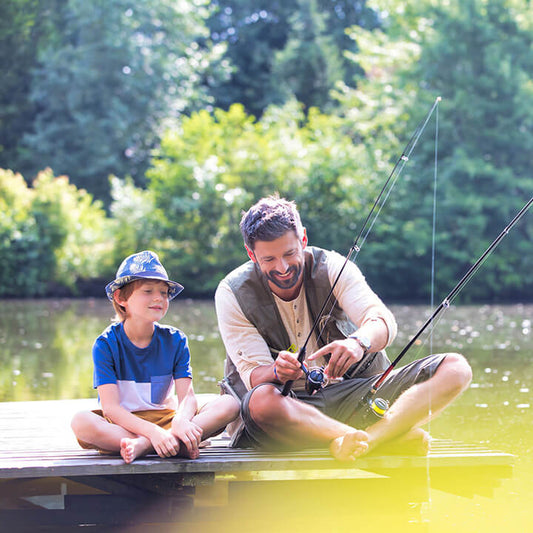
- Prioritize family meals and meaningful conversations. Talking together about the day and what everyone is learning strengthens communication and emotional connection.
Want Better Communication with Your Child’s Teacher?
The way parents communicate with teachers makes a tremendous difference. Years ago, we heard about two parents who called a teacher regarding a classroom issue.
The first parent began the conversation by saying, “You need to handle the class in a better way!”
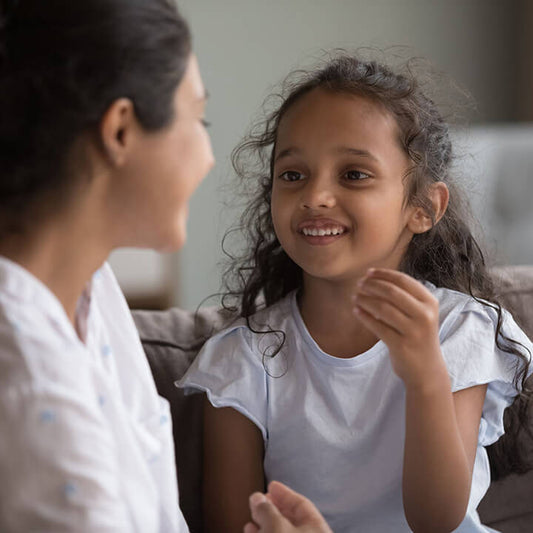
The second parent said, “I’d like to share what I’ve heard about a problem in the class and get your thoughts on it.”
The first approach immediately put the teacher on the defensive, and the conversation quickly became tense. The second approach created an atmosphere of mutual respect and collaboration. As a result, the discussion was far more productive.
When parents approach teachers with courtesy, empathy, and respect, communication improves and children benefit. Teachers want to work together with parents to help students succeed, and respectful conversations build stronger partnerships.
As we near the end of the school year, let’s do all we can to show appreciation and gratitude for our teachers. Their influence reaches far beyond academics, and their dedication deserves recognition now more than ever.
Another Meaningful Way to Support Teachers
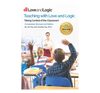
If you would like to support the teachers who work with your children, our book, Teaching with Love and Logic has helped thousands of educators create calmer, more respectful classrooms where they can spend less time managing behavior and more time helping students learn.
Thanks for reading!