
Parents are constantly searching for the best way to raise respectful, emotionally healthy kids—without yelling, shaming, or constant power struggles. With so many approaches gaining attention, it’s easy to feel unsure about which one actually works. One approach that has appeared in recent years is gentle parenting, first described in 2016 by Sarah Ockwell-Smith in The Gentle Parenting Book. Since then, it has become a frequent topic of discussion in parenting circles, with growing interest in how it compares to approaches like Love and Logic.
Reviews of Gentle Parenting
A Psychology Today article published in 2025 pointed out the pros and cons of gentle parenting. The pros suggest that gentle parenting contributes to developing a healthy parent-child relationship and that it can help children recognize and control their emotions. Critics of gentle parenting point out that it is too gentle and as a result does not provide sufficient parental control to help children learn how to change their behavior.
Another Psychology Today article published just last month suggests that the gentle parenting approach is helpful, but that it can lead to confusion between sympathy and empathy, which can be ultimately detrimental to children. In addition, gentle parenting focuses heavily on validating feelings, which is important, but parents might hesitate to set limits or follow through because they are worried about upsetting their child.
Love and Logic’s Comprehensive Approach
The Love and Logic approach encompasses all the pros of gentle parenting but avoids the pitfalls. It combines genuine empathy, not sympathy, with a time-tested technique for helping children learn how to make wise choices by experiencing the natural consequences of their mistakes. The key difference isn’t whether we use empathy, it’s how we use empathy and provide the natural consequences that follow.
Empathy must always be first, but it’s not the end of the story. Love and Logic pairs empathy with clear limits and real-life consequences. For example:
- Start with, “Oh no… that’s really disappointing.”
- Followed by, “What do you think you will do about that?”
This combination is powerful. It allows children to feel emotionally supported and gives them the opportunity to learn responsibility by handling the consequences of their actions.
Love and Logic has learned over the years that kids learn best from their own experiences, which is a principle that has been supported by research. Instead of rescuing or lecturing, parents should allow their children to:
- Make choices
- Experience outcomes
- Learn from those experiences
This gives them the safe, real-world practice to learn responsibility.
The Fundamental Differences
Here are the fundamental differences between gentle parenting and Love and Logic:
- Gentle parenting focuses on empathy and emotional connection.
- Love and Logic combines empathy with accountability taught with consequences.
Love and Logic is more comprehensive and thus more effective. Simply put, gentle parenting says, “I understand how you feel” while Love and Logic says, “I understand how you feel and I will help you learn from this.”
In a world full of parenting advice, it’s easy to feel pulled in different directions. We believe that parents should try to find an approach that helps them stay calm, build strong relationships, and prepare their kids for the real world. Love and Logic offers a simple, effective way to do all three—at the same time.
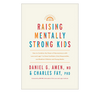
If you’d like more guidance on how to combine empathy with clear limits and help your kids grow into confident, resilient decision-makers, Raising Mentally Strong Kids offers practical, easy-to-use strategies you can apply right away.
Thanks for reading!