
Peer pressure is not something parents can eliminate. Kids naturally care about what their friends think, and that influence becomes especially strong as they move through late elementary school, middle school, and the teen years.
The challenge is deciding how to stay involved without accidentally communicating, “I don’t think you can handle this.” When parents lecture, forbid every questionable friendship, or repeatedly warn kids about what their friends might do, the message can sound like a vote of no confidence.
Love and Logic takes a different approach. We stay interested and involved, we share our concerns, and we also send a strong message: “I believe you can think. I believe you can make wise choices. And I believe you are strong enough to live with the results of those choices.”
Start With a “You Are Strong” Message
One of the most important shifts is moving away from fear-based messages and toward confidence-based messages. Telling a child, “Stay away from those kids. They are going to get you in trouble,” can unintentionally suggest that the child is too weak to think independently.
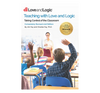
The Love and Logic article Easing Peer Pressure with Love and Logic makes this contrast very clear: parents can send “you are strong” messages that communicate confidence in a child’s ability to make smart decisions, even when friends are making poor ones.
That does not mean approving of every friendship or pretending there is no risk. It means expressing concern without taking away the child’s belief in his or her own judgment.
Stay Involved Without Taking Over
The opposite extreme is staying silent because the subject feels uncomfortable. Kids still need parents who ask where they are going, who they will be with, and what the plan is. Involvement communicates love and interest. Control and interrogation are something different.
The goal is to preserve the relationship while helping the child think. That is also the spirit behind Helping Your Teen Deal with Peer Pressure, which emphasizes building enough confidence that a young person can stand up to friends without believing rejection is the end of the world.
Ask for a Plan, Not a Promise
When kids say, “Don’t worry. I can handle it,” it can be tempting either to accept the promise or to argue about whether they are ready. A more useful response is to ask for a plan.
Questions such as “What’s your plan if your friends want you to do something you know is not right?” or “How could you say no without making a big scene?” move the thinking back to the child. A thoughtful plan is more meaningful than a quick promise designed to get permission.
Kids are not born knowing how to handle social pressure. They need guidance, examples, and practice. The more they rehearse possible responses before the pressure arrives, the better prepared they are to act with confidence in the moment.
Do Not Make the Friend the Enemy
Parents often see risks in a friendship that a child does not see. We can share those observations without attacking the friend. When we insult or forbid a friend simply because we dislike the influence, we may make that friend even more attractive and push our own relationship with the child into a power struggle.
A calmer approach sounds more like, “I have some concerns about the choices I’ve seen, and I trust you to think carefully about how you want your life to go.” This leaves the child with something to consider instead of something to rebel against.
Let Choices and Consequences Build Wisdom
Confidence does not grow because adults guarantee that kids will never make a poor decision. It grows when young people experience that they can think, choose, recover from mistakes, and learn from outcomes.
This connects with the Love and Logic focus on raising strong and capable kids: adults provide empathy and guidance while children gradually carry more responsibility for their own choices.
When a poor choice is safe enough to learn from, empathy is more helpful than anger. A calm, “That is really sad. What do you think you are going to do?” keeps the focus on the decision instead of turning the parent into the problem. Here are some examples.
Instead of saying: “Those kids are trouble. You are not seeing them anymore.”
Try: “I have some concerns about the choices they are making. What do you think about it?”
Instead of saying: “You better not let them talk you into anything.”
Try: “I know you are capable of thinking for yourself. What’s your plan if the pressure gets strong?”
Instead of saying: “I don’t trust those friends.”
Try: “I trust you to make thoughtful choices, and I also care enough to stay involved.”
Peer pressure gives parents a powerful opportunity to communicate one of the most important messages a child can hear: “I believe you are strong enough to think.”
Stay involved. Ask questions. Share concerns. Help kids practice a plan. Then give them appropriate opportunities to use their judgment. When our words communicate confidence instead of fear, we strengthen both the parent-child relationship and the child’s ability to make wise decisions when we are not there.
Thanks for reading!
Dr. Charles Fay